
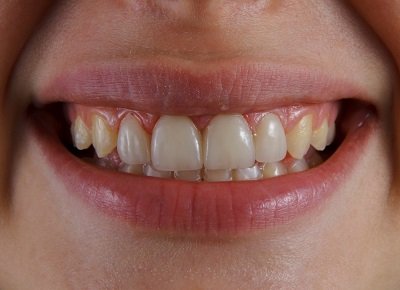
The Role of Digital Dentistry in Full Mouth Restoration
Digital dentistry has transformed the way dentists perform complex restorative treatments. Instead of relying only on traditional impressions and manual techniques, today's dental technology provides exceptional precision at every stage of care. Digital scanners, three-dimensional imaging, and computer-assisted treatment planning allow dentists to evaluate oral health with remarkable detail. This modern approach helps create customized solutions that restore both function and appearance. Patients also benefit from shorter appointments, greater comfort, and more predictable results. As technology continues to advance, digital dentistry has become a valuable part of delivering successful and long-lasting full-mouth rehabilitation.
Advanced Imaging Creates a Strong Foundation for Treatment
Successful dental restoration begins with a thorough diagnosis. Digital X-rays, cone beam computed tomography (CBCT), and intraoral scanners provide highly detailed images of the teeth, jawbone, gums, and surrounding tissues. These technologies help dentists identify decay, infections, bone loss, cracked teeth, and bite concerns that may not be visible during a standard examination. Having complete diagnostic information before treatment begins allows every step to be carefully planned. Early detection of oral health issues also reduces unexpected complications and improves the likelihood of achieving durable, healthy, and functional restorative outcomes for every patient.
Personalized Planning Improves Accuracy and Patient Confidence
Every smile is unique, which means treatment plans should be tailored to each patient's specific needs. Digital dentistry allows dentists to create virtual three-dimensional models of the mouth and evaluate different restorative options before beginning treatment. Crowns, bridges, veneers, dental implants, and other restorations can be carefully designed to fit comfortably while supporting proper bite alignment. Many digital systems also allow patients to preview expected results, making it easier to understand the treatment process. This personalized planning improves communication, increases confidence, and helps ensure restorations look natural while functioning effectively for many years.
Precision Technology Delivers Better Restorative Results
Modern digital technology improves the accuracy of nearly every restorative procedure. Intraoral scanners replace traditional impression materials with highly detailed digital images that eliminate many common errors. Computer-aided design and computer-aided manufacturing (CAD/CAM) systems create restorations that fit more precisely, reducing the need for repeated adjustments. Computer-guided implant surgery also improves implant positioning, enhancing stability and supporting successful healing. These innovations reduce treatment time, increase patient comfort, and produce restorations that blend naturally with surrounding teeth. Greater precision ultimately contributes to improved oral function, long-term durability, and higher patient satisfaction throughout the restoration process.
Long-Term Benefits of Digital Dentistry for Restoring Smiles
Digital dentistry offers lasting advantages that continue well after treatment has been completed. Accurate restorations help improve chewing efficiency, speech, bite balance, and overall oral health while reducing unnecessary wear on surrounding teeth. Digital records also allow dentists to monitor restorations over time and plan future maintenance more effectively. Patients considering full-mouth restoration in Lewisville can benefit from advanced digital technology that supports customized treatment, exceptional precision, and predictable long-term success. By combining innovative technology with experienced dental care, full-mouth restoration becomes more efficient, comfortable, and reliable, helping patients regain healthy smiles, renewed confidence, and an improved quality of life for years to come. Digital advancements continue to shape the future of restorative dentistry by making treatment safer, more accurate, and more patient-centered than ever before.









0 Comments